Platform

The retention layer game studios were missing.

Linq Games gives mid-market mobile studios a co-branded debit card, in-game cashback engine, cohort-level analytics, SDK-native event triggers, and interchange revenue share — all in one integration.

Overview

One SDK install. Five operating layers.

Linq sits between your game SDK, an FDIC-insured banking partner, and your player wallet. Studios install the SDK once and configure card art, cashback rates, and reward triggers from the dashboard. From the player's perspective the experience is a co-branded card and in-game cashback that posts within 24-48 hours. From the studio's perspective it is a new retention surface, a new analytics dimension, and a new monthly revenue line — interchange share paid via ACH.

No bank license is required from the studio. KYC is handled through Plaid. Card issuing runs through Stripe Issuing. The Linq dashboard exposes every operating lever — conversion rates, multipliers, segment-level rules — in one place.
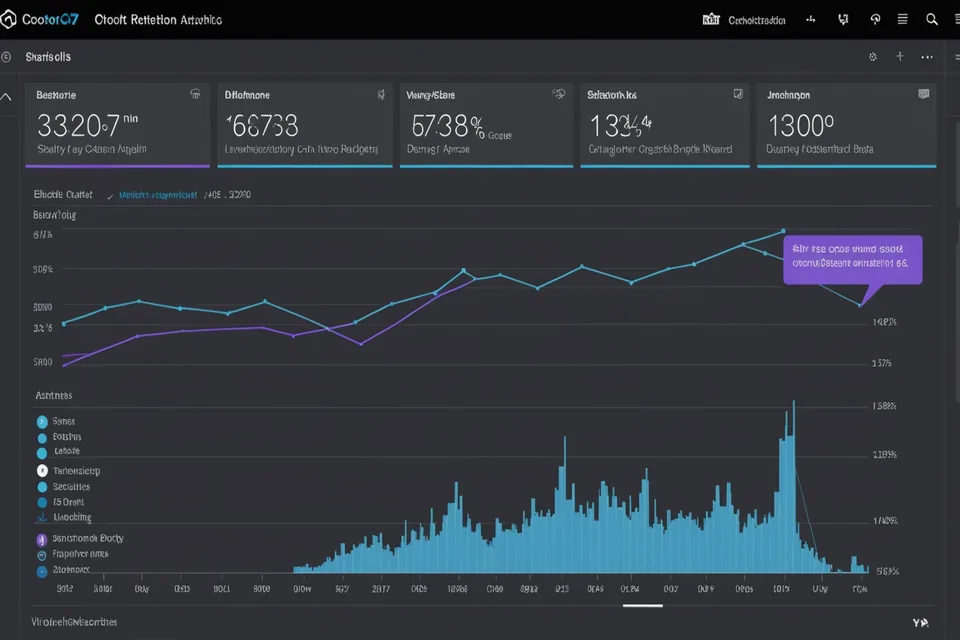
Editorial split with cohort retention chart on the left and a co-branded card silhouette on the right
Problem

Mobile game studios leave 30-40% of LTV on the table.

The customer is a mid-market mobile game studio running 50,000 to 2,000,000 monthly active users on iOS and Android — typically a 5 to 100 person team generating $500K to $20M in annual revenue from in-app purchases and ad monetization. Across this segment, 90-day player retention averages between 4% and 8%, and 70-80% of total revenue is generated by the top 5% of spenders.

Studios leave 30-40% of potential lifetime value on the table because the only monetization lever is in-app purchases. Players who stop spending have no other reason to return. The studio has no relationship with the player's bank account, no daily wallet touchpoint, and no mechanism to create financial utility outside the game itself. Re-engagement ad installs cost between $4 and $12 each, with diminishing returns past day 60.

The result is a player base where churn is treated as a content problem and solved with discount mechanics and retargeting spend — when the underlying issue is structural: the studio has no thread pulling lapsed players back into the game between sessions.

30-day retention: 25-35% across mobile gaming benchmark.
90-day retention: 4-8% — the 90-day cliff.
LTV gap: 30-40% of potential value lost to early churn.
How It Works

Three layers wired into your live-ops pipeline.

Studios install the Linq SDK once and configure rules through the dashboard. Cards are issued through an FDIC-insured banking partner. Cashback is posted to player wallets within 24-48 hours of card settlement. Studios receive a monthly reconciliation report.

Input

Player behavioral data from the game SDK — session starts, in-app purchases, level milestones, referrals, win streaks — streamed through Linq's REST API. Studios also pass in their preferred card art and reward category configuration during onboarding.

Processing

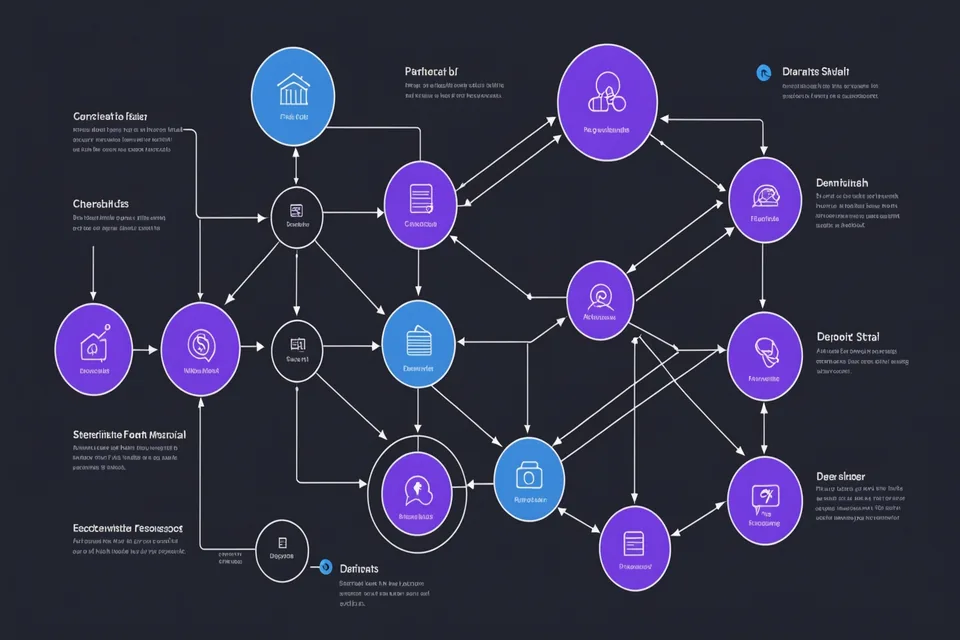
A real-time rules engine maps player activity to reward triggers. A co-branded Visa or Mastercard debit card is issued via an FDIC-insured banking partner with KYC handled through Plaid. Cashback in the studio's existing in-game currency is awarded within 24-48 hours of card spend. Interchange revenue from every transaction is split back to the studio monthly via ACH.

Output

An embedded loyalty dashboard inside the game showing card balance and cashback earned. A physical Toffee-branded debit card shipped to the player. A monthly studio reconciliation report breaking down interchange revenue, retention uplift versus a matched control cohort, and per-player engagement scores.

Integration points

Stripe Issuing Plaid Unity Gaming Services SDK Unreal Engine REST plugin Appsflyer Adjust Braze Visa Direct / Mastercard Send
Features

Five components. One integration.

Each layer ships through the same SDK and dashboard — no separate vendor relationships, no separate billing, no separate support contracts.

01 / Card Issuing

Toffee Branded Debit Card

Issue a co-branded Visa or Mastercard debit card tied to your game in under 30 days.

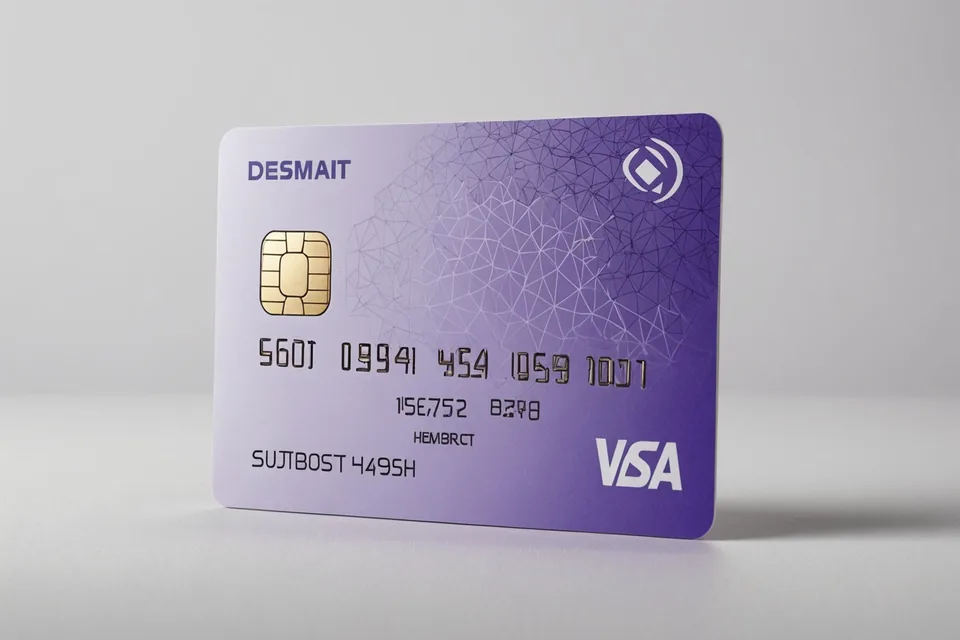
Linq handles the issuing infrastructure, compliance, and FDIC-insured banking partner relationship end-to-end. Studios configure card art, cashback rates, and reward categories through the Linq dashboard with no bank license required. Players apply in-app in under three minutes via a Plaid-driven KYC flow. Card spend outside the game generates interchange revenue that Linq splits back to the studio monthly, creating a new passive revenue stream layered on top of in-app purchases without changing the core monetization model.

Co-branded violet debit card on a clean white background
02 / Loyalty Engine

In-Game Currency Cashback

Every dollar spent on the card converts to game currency, creating a daily reason to log back in.

Cashback is denominated in the studio's existing virtual currency — gems, coins, or season tokens. A 2% cashback rate on $50 of weekly card spend delivers 100 gems automatically. Studios set the conversion rate and configure bonus multipliers for seasonal events, double-cashback weekends, or high-value activity milestones. Cashback posts to player wallets within 24-48 hours of card settlement and is fully reconciled in the monthly statement.

Editorial diagram of cashback conversion from card spend to in-game gems
03 / Analytics

Retention Cohort Analytics

See exactly which card users retain at 30, 60, and 90 days versus your non-card baseline.

The Linq analytics dashboard tracks card-linked players as a distinct cohort against a matched control group built with a propensity-score matching model on session frequency and spend tier. Studio operators see day-1, day-7, day-30, and day-90 retention curves side by side. Revenue-per-user, session frequency, and churn probability scores update weekly. Alert rules let product managers set thresholds that trigger automated re-engagement reward boosts without manual intervention.

Two retention curves on a white background — a flat baseline and a higher card cohort curve in violet
04 / SDK

SDK-Native Event Triggers

Reward players for milestones that matter — level clears, referrals, win streaks — not just card spend.

The Linq SDK exposes a reward trigger API that studios call from their existing event pipeline. The Unity plugin and Unreal REST plugin both ship with sample integration code. Trigger types include purchase milestone, referral completion, win streak, season pass activation, and arbitrary studio-defined custom events. Rewards can be cashback bonuses, double-gem weekends, or exclusive in-game items gated to card holders. All trigger rules are configured in the dashboard with no game code changes after the initial SDK install.

Editorial diagram of SDK event triggers feeding a rules engine with reward outputs
05 / Revenue

Interchange Revenue Share

Turn your player base into a recurring revenue line — earn 15-25 basis points on every card transaction.

Linq's banking partner relationship generates interchange revenue on every card swipe. Studios receive 15-25 basis points per transaction, paid monthly via ACH directly to the studio's operating account. For a studio with 5,000 active card holders spending an average of $400 per month, that translates to approximately $3,000-$5,000 in monthly passive revenue with zero incremental cost beyond the SDK install. Linq provides a monthly reconciliation report with breakdown by player segment, transaction category, average ticket size, and total interchange earned.

Minimalist graphic of interchange revenue share — card swipe to monthly statement
Target Customer

Who Linq is built for — and who we are not.

Linq is intentionally focused on a specific operating shape: mid-market US mobile game studios with enough monthly active users to justify a card program and enough live-ops capability to configure reward rules. We are explicit about who Linq is not for.

Built for

Mid-market mobile game studios releasing live-service titles on iOS and Android in the United States.

Size band: 50,000 to 2,000,000 monthly active users; 5 to 100 person studio; $500K to $20M annual revenue with at least 30% from in-app purchases.

Not for

  • Casual hypercasual studios with under 10,000 MAU — insufficient card adoption base to justify integration.
  • Enterprise publishers with in-house loyalty infrastructure (the EA / Activision tier).
  • Studios outside the United States — Linq's banking partner is US-only at launch.
  • Real-money gaming or sportsbook operators — regulatory scope mismatch.

Want to see the Linq dashboard with your own player data?

Book a 30-minute walkthrough. We will model your studio's expected retention uplift and interchange revenue using your existing cohort numbers.